Common Plumbing Problems Every Homeowner Should Know How to Fix
Plumbing issues have a habit of showing up at the worst possible time — usually right before guests arrive or late on a Sunday night when no plumber is answering calls. Knowing how to handle the most common plumbing problems yourself, even temporarily, saves money and a lot of stress.
Dripping Faucets
Quick answer: A dripping faucet is almost always caused by a worn-out rubber washer or O-ring inside the tap mechanism, and replacing it typically costs under ₹100 in parts if you do it yourself.
- Turn off the water supply to that tap first
- Remove the tap handle (usually one screw underneath a cap)
- Replace the worn washer or O-ring
- Reassemble and turn the water back on
A dripping tap wastes more water than people realize — roughly 3,000+ liters a year from a single steady drip. Worth fixing sooner rather than later.
Clogged Drains
Hair, soap scum, and grease are the usual suspects, especially in bathroom and kitchen drains.
- Try a plunger first — works for most minor clogs
- Use a drain snake for stubborn blockages the plunger can’t clear
- A baking soda + vinegar combination, followed by hot water, works for mild buildup
- Avoid chemical drain cleaners regularly — they can damage older pipes over time
I’ve noticed plunging works far better than people expect, but only if you do it correctly — create a proper seal and use firm, consistent pumping motion rather than random jabbing.
Running Toilets
Quick answer: A running toilet is usually caused by a faulty flapper valve that isn’t sealing properly, letting water continuously leak from the tank into the bowl — a replacement flapper costs ₹150-300 and takes about 15 minutes to install.
- Open the tank and check if the flapper seals properly after flushing
- Check the fill valve — if water keeps running into the overflow tube, it needs adjustment
- Replace the flapper if it’s warped or not sealing (common after 3-5 years)
A running toilet can waste hundreds of liters daily if left unaddressed. It’s usually a simple fix, so don’t ignore that constant faint water sound.
Low Water Pressure
- Check if it’s isolated to one tap (likely a clogged aerator) or the whole house (could be a supply issue)
- Clean the tap aerator — unscrew and soak in vinegar to remove mineral buildup
- Check for partially closed shut-off valves
- If whole-house pressure is low, it may be a municipal supply or pump issue
Leaking Pipes
This is where DIY has real limits. Small leaks at joints can sometimes be temporarily fixed with plumber’s tape or epoxy putty, but this should be treated as a temporary measure, not a permanent solution.
- Shut off the water supply to the affected section immediately
- Dry the area and apply pipe repair tape as a temporary seal
- Call a plumber for proper repair, especially for pipes inside walls
- Never ignore a slow leak — it often leads to mold and structural damage over time
Water Heater / Geyser Issues
- No hot water — often the heating element or thermostat has failed
- Water heating too slowly — sediment buildup is the usual cause
- Strange noises — mineral deposits on the heating element, needs descaling
- Water leaking from the tank — usually means the tank itself needs replacement, not just a repair
Sewer/Drain Odor Issues
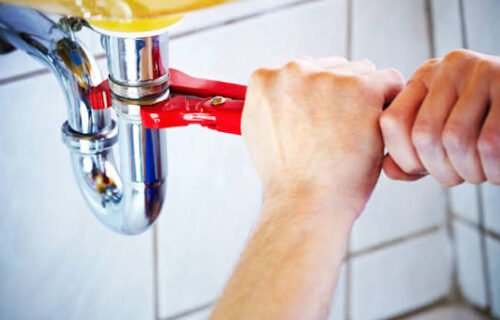
If you’re smelling sewage-like odors from drains, it’s often because the P-trap (the curved pipe under sinks) has dried out from lack of use, or there’s a blockage further down the line.
- Run water in unused drains periodically to keep the P-trap filled
- Check if the odor is isolated to one drain or throughout the house
- Persistent whole-house odor may indicate a venting issue — call a professional
When to Call a Plumber vs DIY
- DIY-friendly: dripping taps, clogged drains, running toilets, aerator cleaning
- Call a professional: pipe leaks inside walls, sewer line issues, water heater tank replacement, any gas line-related plumbing work
[link to related guide on choosing the right plumber here]
Frequently Asked Questions
Why does my toilet keep running after flushing? Almost always a faulty flapper valve not sealing properly, or a fill valve set too high, causing continuous water flow into the overflow tube.
Is it safe to use chemical drain cleaners regularly? Not recommended for regular use — they can corrode older pipes over time. Save them for occasional stubborn clogs and prefer mechanical methods otherwise.
How do I know if a plumbing issue is an emergency? Active flooding, no water supply at all, or sewage backing up are emergencies. Slow drips and minor clogs can typically wait for a scheduled appointment.
Can low water pressure damage my appliances? It’s usually more of an inconvenience than a damage risk, but consistently low pressure can affect appliances like washing machines that need adequate flow to function properly.
How often should pipes be inspected to prevent leaks? An annual visual inspection, especially of visible pipes under sinks and in basements, catches most issues before they become serious.
Conclusion
Most common plumbing problems aren’t actually complicated once you know what’s causing them. A dripping tap, a running toilet, a clogged drain — these are all things you can likely handle yourself with basic tools and twenty minutes. Save the professional calls for what genuinely needs expertise: pipes inside walls, sewer issues, and anything involving your main water supply line.