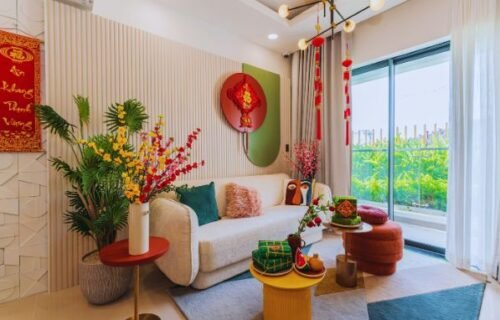
Small Space Decorating Ideas That Make a Room Look Bigger
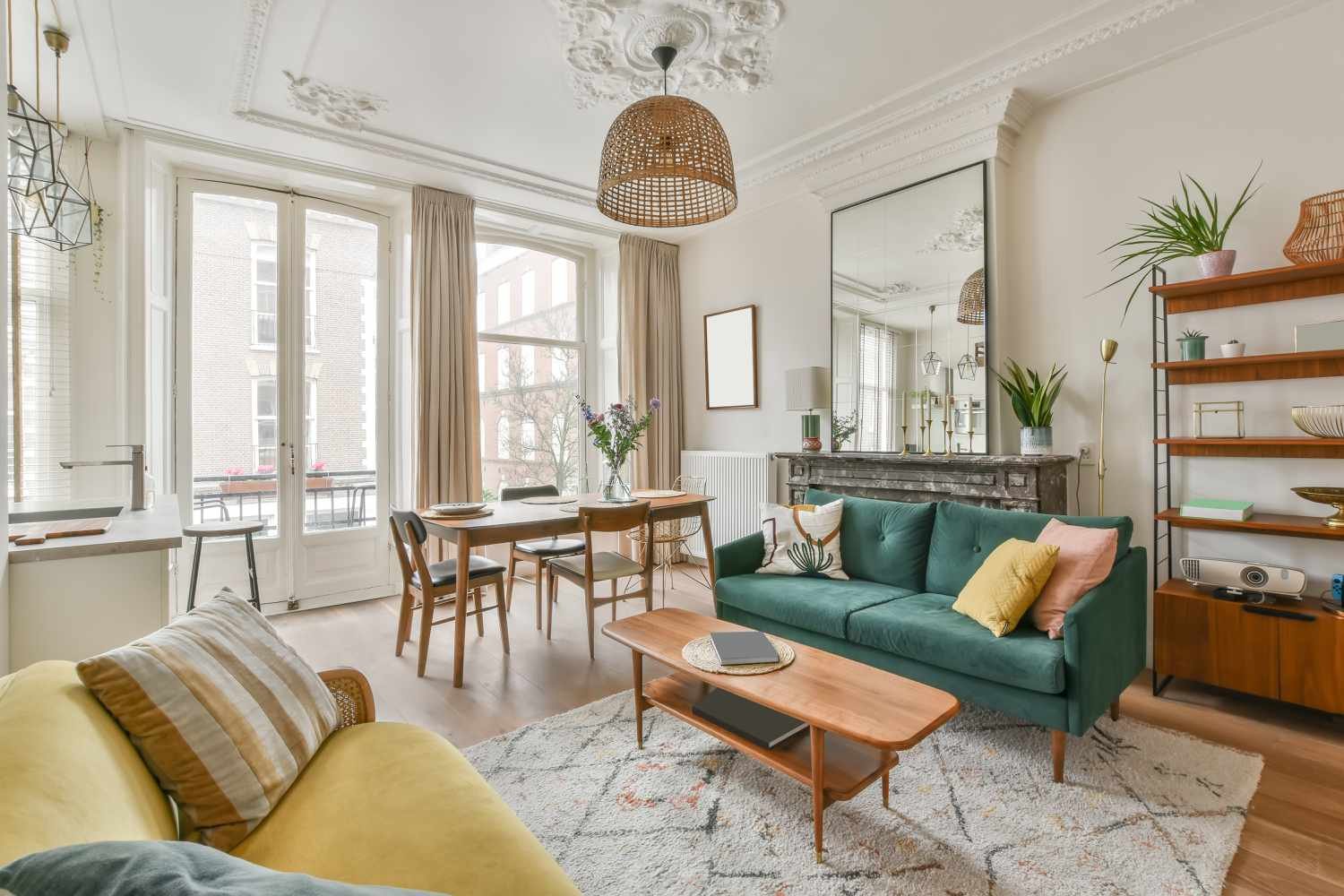
Small spaces get a bad reputation they don’t fully deserve. With the right approach, a compact room can feel open and intentional rather than cramped. These small space decorating ideas are things I’ve actually tested in my own tiny apartment living room, not just theory from a design blog.
Use Light Colors Strategically
Quick answer: Light, cool-toned colors on walls reflect more natural light and create an illusion of depth, making small rooms feel noticeably larger than the same space painted in dark or warm saturated colors.
This doesn’t mean everything has to be white — soft greys, pale blues, and warm off-whites all work well while still adding personality.
Multi-Functional Furniture Is Non-Negotiable
- Ottoman with storage inside — doubles as seating and hidden storage
- Sofa beds for spaces that need to double as guest rooms
- Extendable dining tables that expand only when needed
- Nesting tables that tuck away when not in use
- Wall-mounted folding desks for home office needs in tiny spaces
Mirrors: The Classic Trick That Actually Works
Placing a large mirror opposite a window doubles the perceived light and creates genuine depth in a room. I was skeptical about this until I actually tried it — the difference is surprisingly noticeable, not just a design cliché.
- Position mirrors to reflect natural light sources
- Use one large mirror rather than several small ones for maximum impact
- Consider a mirrored closet door in bedrooms for dual functionality
Vertical Space Is Your Best Friend
Quick answer: In small rooms, using vertical wall space for storage — tall bookshelves, wall-mounted cabinets, hanging organizers — frees up floor space and draws the eye upward, making ceilings feel higher and rooms feel more open.
- Install floor-to-ceiling shelving instead of short, wide units
- Use wall-mounted storage instead of floor-standing furniture where possible
- Hang curtains close to the ceiling rather than just above the window frame — this trick alone makes ceilings appear taller
Furniture Scale and Placement Matter More Than You Think
- Choose furniture with visible legs rather than pieces that sit flush to the floor — it creates a sense of openness underneath
- Avoid oversized furniture pieces that dominate the room, even if they seem like a “good deal”
- Float furniture slightly away from walls rather than pushing everything against them — counterintuitive, but it can make the room feel more thoughtfully arranged
- Keep a clear pathway through the room; visual clutter along walkways makes spaces feel smaller than they are
Lighting Layers Instead of One Overhead Source
Relying on a single ceiling light makes small rooms feel flat and one-dimensional. Layer your lighting instead:
- Ambient lighting (main overhead or ceiling fixture)
- Task lighting (reading lamps, desk lights)
- Accent lighting (smaller decorative lamps, LED strips)
This layering creates depth and makes the room feel more dynamic, even within a small footprint.
Decluttering as a Design Strategy
This isn’t just about tidiness — visual clutter is one of the biggest reasons small rooms feel smaller than they actually are. A few well-chosen decor pieces will always look better than many small scattered items.
- Limit decorative objects to a few meaningful pieces rather than many small ones
- Use closed storage for everyday clutter (baskets, cabinets) rather than open shelving for miscellaneous items
- Rotate seasonal decor instead of displaying everything year-round
Using Rugs to Define and Expand Space
A properly sized rug — large enough that at least the front legs of furniture sit on it — visually expands a room. A rug that’s too small actually makes a space feel more disjointed and smaller than having no rug at all.
[link to related guide on interior design trends here]
Frequently Asked Questions
Do dark colors always make small rooms feel smaller? Not always — a well-lit small room with good contrast can pull off darker, moodier colors successfully, though light colors remain the safer, more universally effective choice.
Is it better to have less furniture in a small room? Generally yes, but the furniture you do have should be more functional (multi-purpose) rather than simply having fewer pieces that each serve one purpose.
How do curtains affect the perception of room size? Hanging curtains higher than the window frame and closer to the ceiling makes windows and the room itself appear taller and more spacious.
Should I avoid patterns in small space decorating? Not entirely — small-scale, subtle patterns can add interest without overwhelming the space, while large bold patterns can make a small room feel busier and smaller.
What’s the single most effective small space decorating trick? Strategic mirror placement combined with good layered lighting tends to have the most noticeable impact for the least effort and cost.
Conclusion
Small space decorating isn’t about giving up on style — it’s about being more intentional with color, furniture choices, and how you use vertical space. A few of these changes, especially mirror placement and proper lighting layers, make a genuinely visible difference without any structural changes to the room. Start with decluttering first; it’s free, and it usually reveals how much of the “small” feeling was actually just too much stuff.