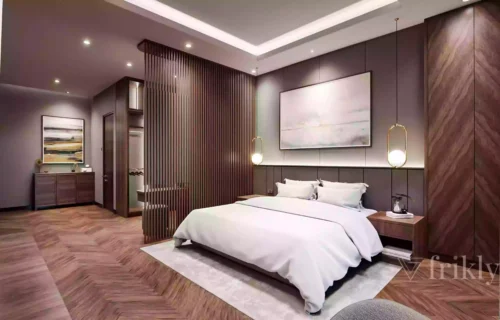
2026 Interior Design Trends You Need to Know
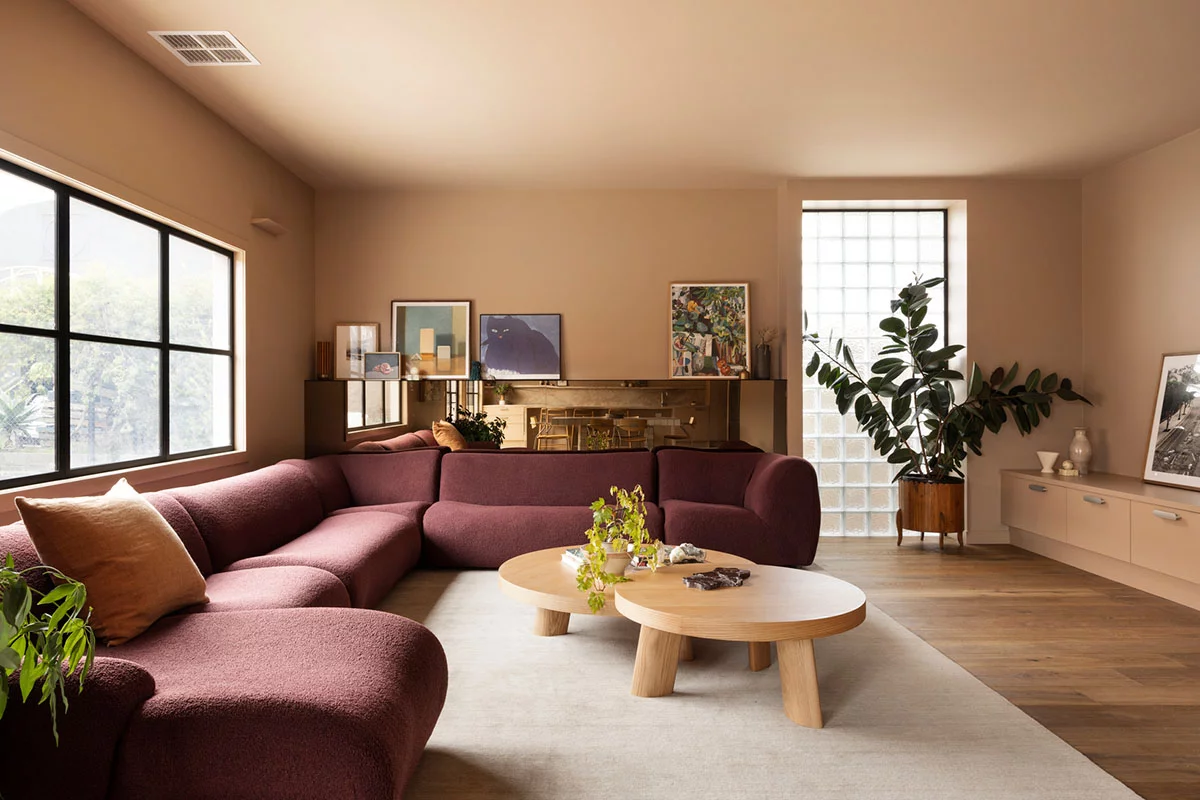
Design trends come and go, and honestly, not all of them deserve the hype. But a few genuinely useful shifts are shaping homes this year, and they’re worth knowing before you make any big decorating decisions. Here’s an honest look at interior design trends 2026 — what’s actually catching on and why.
Warm Minimalism Is Replacing Stark Minimalism
Quick answer: 2026’s interior design trends favor “warm minimalism” — clean, uncluttered spaces using warm neutrals, natural textures, and organic materials — replacing the colder, all-white minimalist aesthetic that dominated previous years.
The shift makes sense to me. Stark white minimalism always felt a bit clinical, like living in a showroom rather than a home. Warm minimalism keeps the clean lines but adds texture and warmth back in.
Curved and Organic Furniture Shapes
Sharp, angular furniture is giving way to softer, curved silhouettes — rounded sofas, curved dining tables, organic-shaped mirrors. This trend genuinely makes rooms feel softer and more welcoming.
- Curved sofas and armchairs replacing strictly rectangular pieces
- Organic-shaped coffee tables and side tables
- Arched doorways and mirror frames gaining popularity
Sustainable and Natural Materials
- Reclaimed wood furniture over new manufactured pieces
- Natural fiber rugs (jute, sisal) instead of synthetic options
- Rattan and cane furniture making a strong comeback
- Limewash paint finishes over standard flat emulsion for texture
Multi-Functional Spaces as a Design Requirement
Quick answer: With more people working from home at least part-time, 2026 design trends emphasize multi-functional spaces — a dining table that doubles as a workspace, a guest room that converts to a home office — designed intentionally rather than as an afterthought.
This isn’t just a trend, honestly, it’s become a practical necessity for a lot of households.
Statement Ceilings
Walls have gotten most of the design attention for years — ceilings are finally catching up. Textured ceiling treatments, painted ceilings in contrasting colors, and exposed beam aesthetics are showing up more in 2026 designs.
- Painted ceilings in soft, complementary tones (not just white)
- Wood paneling or beam details for texture
- Statement lighting fixtures as ceiling focal points
Biophilic Design: Bringing Nature Indoors
- Larger, more established indoor plants rather than small decorative ones
- Natural light maximized through furniture placement and lighter window treatments
- Materials that mimic natural textures — stone, wood grain, organic patterns
- Water features or small indoor fountains in larger homes
Personalized, Curated Spaces Over Matched Sets
Quick answer: 2026 design trends move away from matched furniture sets toward curated, personal collections of pieces gathered over time — mixing vintage finds, family pieces, and new purchases for a more authentic, lived-in feel.
I genuinely like this shift. A home that looks like it was furnished in one single shopping trip often feels less personal than one built up gradually with pieces that actually mean something.
Color Trends Shaping 2026 Interiors
- Warm terracotta and clay tones for accent walls and decor
- Sage and muted greens for calming spaces
- Deep, moody blues for dramatic accent pieces
- Warm off-whites replacing cool, stark whites as the default neutral
How to Incorporate Trends Without Overcommitting
Not every trend needs a major investment to try out.
- Test trends through smaller items first — cushions, throws, small decor pieces
- Save bigger investments (furniture, wall treatments) for trends you’ve lived with and genuinely like
- Mix trending elements with timeless pieces rather than fully committing a whole room to one trend
[link to related guide on choosing an interior design style here]
Frequently Asked Questions
Will minimalism go out of style completely in 2026? No, it’s evolving rather than disappearing — warm minimalism keeps the clean, uncluttered approach while adding more texture and warmth than previous stark versions.
Are curved furniture pieces more expensive than traditional angular ones? Often yes, due to more complex manufacturing, though budget-friendly curved options are becoming more widely available as the trend grows.
Is biophilic design practical for small apartments? Yes, even a few well-placed larger plants and maximizing natural light can incorporate biophilic principles without needing significant space.
Should I follow trends or stick with a timeless design approach? A mix works best for most people — timeless furniture and layout choices, with trend-driven elements in easily changeable items like decor and textiles.
How long do interior design trends typically last? Major trends usually influence homes for 3-5 years before evolving, though some elements (like sustainable materials) are becoming more permanent shifts rather than passing trends.
Conclusion
2026’s interior design trends lean toward warmth, personalization, and practicality — a welcome shift from the colder, more rigid aesthetics of previous years. You don’t need to overhaul your entire home to incorporate these ideas; start with smaller, testable changes and build toward bigger investments only in the trends that genuinely resonate with how you actually live. The best-designed homes borrow from trends, but don’t let trends dictate everything.