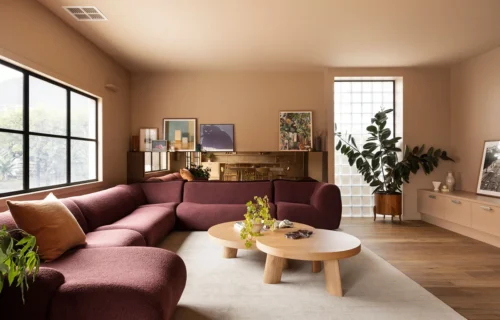
How to Choose an Interior Design Style That Matches Your Personality
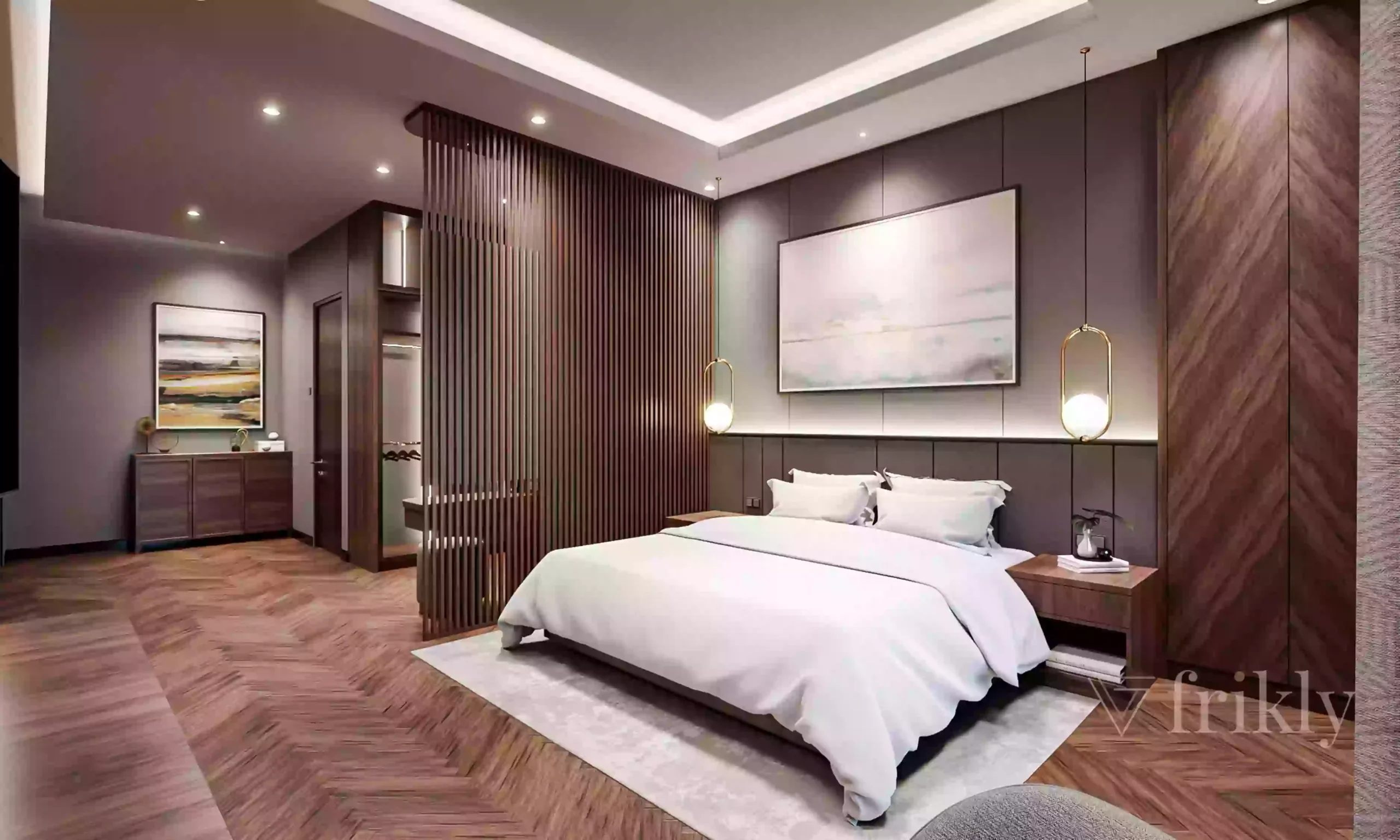
People often jump straight into buying furniture before figuring out what style they actually want, and then wonder why the room never quite comes together. Choosing the right interior design styles for your personality first makes every decision after that so much easier.
Why Style Should Come Before Shopping
Quick answer: Defining your interior design style before purchasing furniture prevents mismatched pieces and wasted money — a clear style direction acts as a filter, making shopping decisions faster and the final result more cohesive.
Major Interior Design Styles Explained
Minimalist
Clean lines, limited color palette, “less is more” philosophy. Works well for people who feel calmer in uncluttered spaces and don’t mind editing possessions down to essentials.
Scandinavian
Light woods, neutral tones, functional furniture with cozy textiles (hygge influence). Suits people who want minimalism but with more warmth and comfort layered in.
Industrial
Exposed brick, metal accents, raw materials, darker tones. Appeals to people drawn to a more urban, edgy aesthetic with visible structural elements.
Bohemian (Boho)
Layered textiles, eclectic patterns, lots of plants, mixed textures from different cultures/eras. Great for people who love color, personality, and a more maximalist, collected-over-time feel.
Traditional
Classic furniture shapes, rich colors, symmetry, often incorporating antiques or heirloom pieces. Suits people who prefer timeless, formal elegance over trendy statements.
Contemporary
Constantly evolving with current trends, clean lines but warmer and more flexible than strict minimalism. Good for people who like staying current without committing to one rigid aesthetic.
How to Identify Your Natural Style Preference
Quick answer: The easiest way to identify your interior design style is reviewing images you’ve saved or admired over time (Pinterest boards, Instagram saves) and looking for repeated patterns in color, texture, and furniture shape rather than trying to choose a style label first.
- Look at what you’ve naturally gravitated toward in saved images
- Notice recurring elements — do you keep saving warm wood tones? Bold colors? Clean lines?
- Consider your closet and wardrobe style — it often mirrors home design preferences more than people realize
- Think about how you want to feel in the space — energized, calm, cozy, sophisticated
Mixing Styles Without It Looking Chaotic
Most real homes aren’t purely one style — and that’s fine, honestly better than fine.
- Choose one dominant style (60-70% of the room) and blend in one or two complementary styles
- Keep a consistent color palette even when mixing furniture styles
- Use a unifying element — same wood tone, same metal finish — across mixed pieces
- Avoid mixing more than 2-3 styles in a single room; beyond that it starts feeling unintentional rather than curated
Style Considerations Based on Lifestyle
- Have young kids or pets? Avoid styles with fragile decor or hard-to-clean textiles (delicate boho textiles need more care than sturdier Scandinavian pieces)
- Love hosting guests often? Contemporary or traditional styles often photograph and entertain better with their more structured layouts
- Work from home? Scandinavian or minimalist styles tend to support focus better than visually busy bohemian spaces
- Value low maintenance? Minimalist and industrial styles generally require less decor upkeep than boho or traditional
Budget Considerations by Style
- Minimalist: Can be budget-friendly since fewer pieces are needed, though quality matters more with less to distract from flaws
- Scandinavian: Mid-range, functional furniture is widely available at various price points
- Industrial: Can be budget-friendly using DIY elements (exposed brick effect paint, metal accents)
- Bohemian: Can get expensive quickly if buying lots of individual decor pieces, though thrifting fits this style well
- Traditional: Often the most expensive due to quality furniture and detailed craftsmanship expectations
Testing a Style Before Committing Fully
Before investing in furniture for an entire room, test the style in a smaller area first — one accent wall, one corner, or through easily changeable items like cushions and art. Living with it for a few weeks tells you more than any mood board ever will.
[link to related guide on 2026 interior design trends here]
Frequently Asked Questions
Can my interior design style change over time? Yes, definitely — personal style often evolves with life stages, so it’s fine to revisit and adjust your home’s design direction every few years.
Is it okay to have different styles in different rooms? Yes, as long as there’s some connecting thread (color palette, material choices) so the home feels cohesive moving from room to room.
What if I like elements from completely opposite styles? This is common and totally workable — identify the specific elements you love from each (not the whole style) and blend those intentionally.
Do I need to hire an interior designer to nail down my style? Not necessarily — self-reflection through saved images and trial testing works well for most people; designers help more with execution and sourcing.
How do I avoid my home looking like a showroom instead of personal? Incorporate personal items — travel finds, family pieces, handmade items — rather than buying everything as a matched set from one store.
Conclusion
Finding your interior design style isn’t about picking a label and rigidly sticking to it — it’s about understanding what colors, textures, and layouts genuinely make you feel comfortable in your own space. Look at what you’ve naturally gravitated toward, test before committing fully, and don’t be afraid to blend styles if that’s what feels authentic to you. The best-designed homes reflect the people living in them, not just whatever’s currently trending.