
Making Your Home More Comfortable with Reliable Water Heating and Softening Solutions
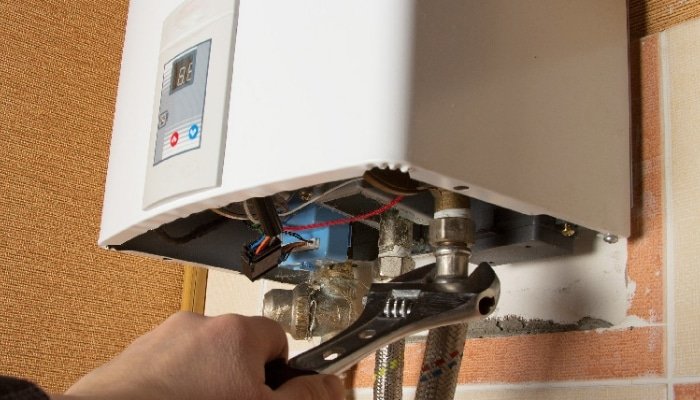
Hot water and clean, comfortable water are easy to take for granted—until something goes wrong. A cold shower on a busy morning, cloudy water in a glass, or stubborn scale around the taps can quickly turn a normal day into a frustrating one. Fortunately, modern plumbing solutions can make these everyday problems easier to manage while improving comfort, efficiency, and water quality throughout the home.
From routine maintenance to advanced heating systems and water treatment equipment, homeowners have several options to consider. The key is understanding what your household actually needs instead of choosing equipment based only on price or appearance. A well-planned system can save money over time, protect plumbing fixtures, and make daily routines noticeably easier.
Why Professional Water Heater Care Matters
A water heater works quietly in the background, supplying hot water for showers, laundry, dishwashing, and cleaning. Because it is used so frequently, even a small issue can affect the entire household. Strange noises, inconsistent temperatures, rusty water, or a noticeable increase in energy bills may indicate that the system needs attention.
Professional water heater services can include inspection, maintenance, repairs, replacement, and safety checks. A trained technician can examine the heating element, thermostat, pressure relief valve, connections, and tank condition. These inspections are especially important for traditional tank-style heaters, which can develop sediment buildup over time.
Sediment settles at the bottom of the tank and forces the unit to work harder. It may also create popping or rumbling sounds as the water heats around the buildup. Flushing the tank, when appropriate, can improve performance and help extend its service life. However, older systems or heavily damaged units may require replacement rather than another repair.
Homeowners should also pay attention to water temperature. Water that is too hot can create a serious scalding risk, particularly for children and older adults. A professional can help set the thermostat to a safe, practical level while ensuring the household still has enough hot water for daily use.
Choosing Between Traditional and Tankless Systems
Traditional water heaters store a supply of heated water in a tank. They are familiar, widely available, and often less expensive to install initially. However, they continuously use energy to maintain the stored water temperature, even when no one is using hot water.
Tankless systems work differently. Instead of storing hot water, they heat it as it passes through the unit. This design can reduce standby energy loss and provide a continuous supply of hot water when the system is correctly sized.
Still, tankless technology is not automatically the right choice for every home. Installation requirements, household demand, water flow, fuel type, electrical capacity, and local water conditions all matter. A family with several people taking showers at the same time may need more than one unit or a larger system to avoid reduced flow or temperature changes.
The installation process also involves more than simply removing an old heater and attaching a new one. Tankless water heater installation & repair may require adjustments to gas lines, venting, electrical connections, water piping, and mounting arrangements. Incorrect installation can reduce efficiency or create safety concerns, so qualified professional work is essential.
Tankless systems can be a smart long-term investment for some households, particularly those seeking energy efficiency and space savings. Their compact size allows them to be mounted on a wall, freeing up floor space in a utility room, garage, or basement. They may also last longer than traditional tank units when properly maintained.
Understanding the Benefits of Water Softeners
Heating water is only part of the comfort equation. In many areas, homeowners also deal with hard water, which contains elevated levels of minerals such as calcium and magnesium. Hard water is not usually considered a direct health threat, but it can create practical problems around the home.
White scale around faucets, stiff laundry, dry-feeling skin, dull-looking glassware, and reduced appliance efficiency are common complaints. Hard water can also cause mineral deposits inside water heaters, pipes, dishwashers, washing machines, and showerheads.
Installing water softeners can help reduce these issues by lowering the concentration of hardness minerals in the water supply. Most conventional softeners use an ion-exchange process. During this process, calcium and magnesium are exchanged for sodium or potassium ions, depending on the system and its settings.
A water softener should be selected according to the household’s water usage, hardness level, plumbing layout, and available space. Choosing a system that is too small may lead to frequent regeneration and poor performance. A unit that is too large may cost more than necessary and use additional water or salt.
Before purchasing a softener, it is worth arranging a water test. Testing helps identify the actual hardness level and may reveal other concerns, such as iron, sediment, acidity, or unusual mineral content. This information allows a professional to recommend a more suitable treatment approach rather than relying on guesswork.
Maintenance Makes a Noticeable Difference
Even high-quality equipment needs regular care. Water heaters should be inspected periodically, while tank-style units may need flushing to manage sediment. Tankless heaters often require descaling, especially in homes with hard water. Mineral buildup can affect the heat exchanger and reduce water flow or heating performance.
Water softeners also need attention. Salt-based systems require the brine tank to be checked and refilled as needed. The salt should not be allowed to form a hard bridge that prevents proper regeneration. Filters, valves, resin beds, and control settings may also need inspection over time.
A maintenance schedule does not have to be complicated. Homeowners can begin by checking for leaks, listening for unusual sounds, watching for changes in water pressure, and noting whether hot water runs out faster than usual. Small changes are often early warning signs. Addressing them promptly may prevent a more expensive emergency later.
It is also important not to ignore the age of a system. Repairing an older unit may make sense when the issue is minor, but repeated repairs can become costly. If a water heater is nearing the end of its expected service life and efficiency has declined, replacement may offer better long-term value.
How to Choose the Right Plumbing Professional
The quality of installation and service matters just as much as the equipment itself. Before hiring a plumbing company, homeowners should check licensing, insurance, experience, customer feedback, and the range of services offered. A reputable professional should explain the problem clearly and provide a written estimate before major work begins.
Ask whether the company has experience with the specific system being considered. Tankless heaters, traditional tanks, filtration equipment, and softeners all have different installation and maintenance requirements. A technician should also be willing to explain expected operating costs, maintenance needs, warranty details, and potential limitations.
Be cautious of unusually low estimates that leave out important work. A quote may look attractive until additional charges appear for permits, piping changes, disposal, electrical upgrades, or venting modifications. Clear communication at the beginning can prevent unpleasant surprises later.
A More Comfortable Home Starts with Better Water Planning
Water heating and water treatment are not just technical concerns. They affect comfort, household routines, energy use, appliance performance, and long-term maintenance costs. Choosing the right equipment begins with understanding the home’s water demand, local water conditions, available space, and budget.
Professional inspections, accurate water testing, proper installation, and regular maintenance can help homeowners avoid many common problems. Whether the goal is dependable hot water, reduced mineral buildup, or improved efficiency, the best solution is one that fits the household rather than following a one-size-fits-all trend.
A little planning today can make everyday life easier tomorrow. After all, reliable water systems may not be the most noticeable feature in a home—but when they work properly, everything feels a bit more comfortable.