Renting vs Buying a Home: Which Makes More Financial Sense?
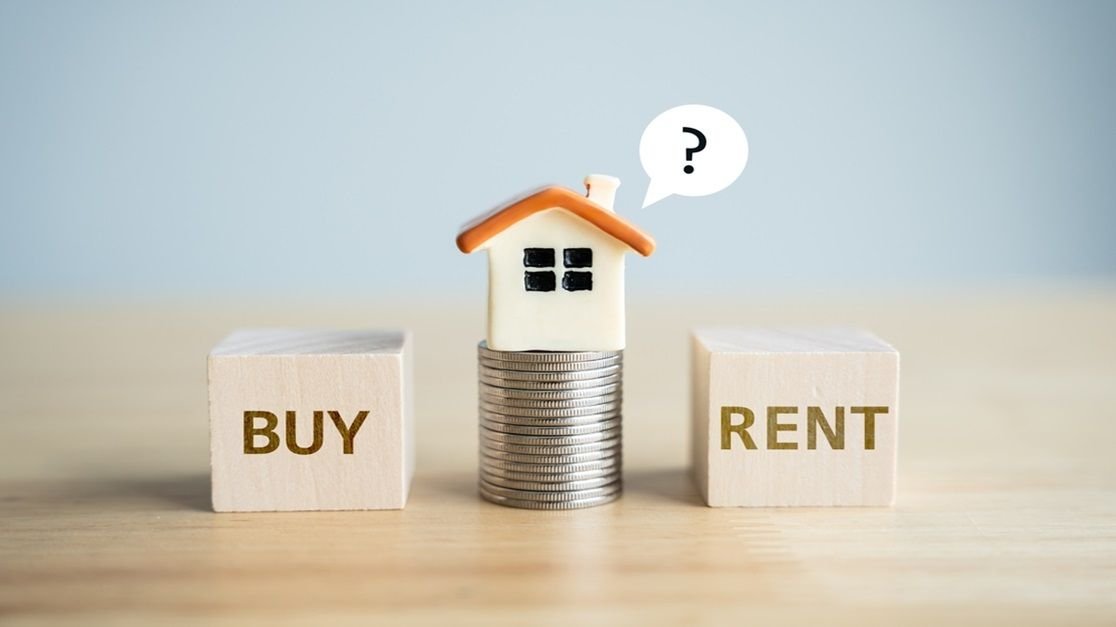
Every few months, someone asks me this exact question, and I always give the same annoying answer first — it depends. But let’s actually dig into the numbers, because “it depends” isn’t helpful on its own. This renting vs buying a home comparison looks at the real financial factors most people overlook.
The Core Financial Difference
Quick answer: Renting offers flexibility and lower upfront costs, while buying builds long-term equity but requires significant upfront capital (down payment, registration) and locks you into a location for it to make financial sense — generally 5+ years.
The 5-Year Rule of Thumb
This is something I genuinely believe in — if you’re not planning to stay in a city or property for at least 5 years, renting almost always makes more financial sense. The upfront costs of buying (stamp duty, registration, brokerage) are significant enough that you need time to “recover” them through equity building.
Breaking Down the Real Costs of Renting
- Monthly rent
- Security deposit (usually refundable, 2-10 months rent depending on city)
- No maintenance or repair costs typically (landlord’s responsibility)
- No property tax
- Flexibility to relocate with minimal financial penalty
Breaking Down the Real Costs of Buying
Quick answer: Buying a home involves a down payment (10-20% of property value), stamp duty and registration (5-8%), ongoing EMI payments, property tax, maintenance costs, and repair expenses — costs that renting simply doesn’t include.
- Down payment (10-20% of property value)
- Stamp duty and registration (5-8%, varies by state)
- Home loan EMI (principal + interest)
- Property tax (annual)
- Maintenance and repair costs (ongoing, unpredictable)
- Society/association fees for apartments
The Equity-Building Argument
The strongest case for buying is equity — every EMI payment builds ownership, unlike rent which builds nothing for you directly. Over 15-20 years, this genuinely adds up to significant wealth, assuming property values appreciate reasonably.
But here’s the counter-argument I don’t hear enough — that same down payment amount, if invested in mutual funds or other instruments instead of a home down payment, could also grow significantly. The comparison isn’t as one-sided as “buying = building wealth, renting = wasting money.”
When Renting Actually Makes More Sense
- Your career or lifestyle involves frequent relocation
- You’re not certain about which city or neighborhood you want long-term
- You’d rather invest the down payment amount elsewhere
- Property prices in your target area are significantly inflated relative to rent (high price-to-rent ratio)
- You value flexibility over the psychological security of ownership
When Buying Makes More Sense
- You’re settled in a city for the foreseeable future (5+ years minimum)
- You want stability for family, especially with school-age children
- Interest rates and property prices in your target area are reasonable
- You have stable income to comfortably manage EMI without financial strain
- You want to eventually pass on an asset or build long-term family wealth
The Price-to-Rent Ratio: A Useful Metric
Quick answer: The price-to-rent ratio (property price divided by annual rent) helps determine if buying or renting makes more sense — a ratio under 15 generally favors buying, while a ratio above 20 generally favors renting.
Divide the property price by the annual rent for a similar property. If that number is low, buying looks more attractive. If it’s high, you’re likely better off renting and investing the difference.
My Honest Take
I don’t think there’s a universally “right” answer here, despite what a lot of financial advice online suggests. It genuinely depends on your career stability, how long you plan to stay put, and whether you value the flexibility of renting more than the psychological comfort of ownership. Run the actual numbers for your specific city and situation before deciding — don’t just go with the cultural default of “buying is always better.”
[link to related guide on first-time home buyer mistakes here]
Frequently Asked Questions
Is it always better to buy if I can afford the EMI? Not necessarily — affording the EMI doesn’t account for opportunity cost, flexibility loss, or whether you’ll actually stay long enough to benefit from equity building.
How much should rent be relative to income? A common guideline is keeping rent under 30% of monthly take-home income, though this varies based on city and personal financial goals.
Does buying always build more wealth than renting and investing? Not always — it depends heavily on property appreciation rates in your area versus alternative investment returns over the same period.
What’s the biggest hidden cost of homeownership people forget? Ongoing maintenance and repair costs, which can easily run 1-2% of the property value annually and aren’t part of the EMI calculation.
Should I buy a home purely for investment purposes? Real estate can be a reasonable investment, but it’s illiquid and comes with ongoing costs — diversifying rather than putting everything into one property is generally safer.
Conclusion
The renting vs buying decision really comes down to your specific timeline, financial situation, and how much you value flexibility versus stability. There’s no universal right answer, no matter how confidently people around you might insist otherwise. Run the real numbers for your city, be honest about how long you’ll actually stay, and make the decision that fits your life — not just the one that sounds more “responsible” on paper.