Types of Roofing Materials Compared: Cost, Durability & Best Use
Choosing a roofing material isn’t just about looks — it’s a decision that affects your maintenance costs, energy efficiency, and how often you’ll be dealing with repairs for the next couple of decades. Let’s compare the main types of roofing materials used across Indian homes, honestly and practically.
RCC Flat Roofs
Quick answer: RCC (reinforced cement concrete) flat roofs are the most common in Indian urban homes, offering usable terrace space and 15-20 year durability with proper waterproofing, though they require re-waterproofing treatment periodically to prevent leaks.
- Cost: Built into standard construction cost, waterproofing adds ₹40-80/sq ft
- Lifespan: 15-20 years before major waterproofing renewal needed
- Pros: Usable terrace space, good structural strength, standard for apartments
- Cons: Requires regular waterproofing maintenance, prone to cracks over time
Clay Tile Roofing
A traditional choice, especially in southern and coastal parts of India, and honestly, one I have a soft spot for aesthetically.
- Cost: ₹80-150 per sq ft installed
- Lifespan: 30-50 years with proper maintenance
- Pros: Excellent heat resistance, naturally durable, classic aesthetic appeal
- Cons: Heavier, needs stronger structural support, individual tiles can crack and need occasional replacement
Metal/GI Sheet Roofing
Increasingly popular for both residential extensions and commercial/industrial buildings due to speed of installation.
Quick answer: Metal or GI sheet roofing costs ₹200-400 per sq ft installed, offers 20-30 years of durability, and is significantly faster to install than RCC or tile roofing, making it popular for extensions and semi-permanent structures.
- Cost: ₹200-400 per sq ft depending on gauge and coating
- Lifespan: 20-30 years with proper coating maintenance
- Pros: Fast installation, lightweight, good for sloped designs, decent rain runoff
- Cons: Can be noisy during heavy rain, heat retention issues without proper insulation
Asbestos Cement Sheets
Still used in some budget construction, though increasingly being phased out due to health concerns around asbestos fibers.
- Cost: ₹100-180 per sq ft (among the cheapest options)
- Lifespan: 15-20 years
- Pros: Low upfront cost, decent weather resistance
- Cons: Health concerns with asbestos exposure during installation/removal, brittle over time, becoming less available as awareness grows
I’d personally steer people away from this option now, even with the cost advantage — the long-term health considerations outweigh the initial savings.
Concrete Roof Tiles
A middle-ground option between RCC and clay tiles.
- Cost: ₹60-120 per sq ft
- Lifespan: 25-35 years
- Pros: More affordable than clay, wide range of colors/styles, good durability
- Cons: Heavier than metal options, can fade in color over time with UV exposure
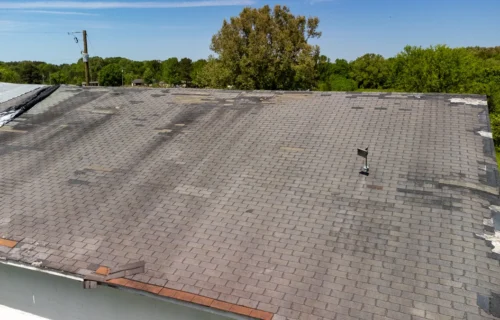
Shingle Roofing (Growing Popularity in Villas/Bungalows)
Quick answer: Asphalt shingle roofing, while less traditional in India, is gaining popularity in villa and bungalow construction for its aesthetic variety and moderate cost of ₹150-300 per sq ft, with a typical lifespan of 20-25 years.
- Cost: ₹150-300 per sq ft
- Lifespan: 20-25 years
- Pros: Wide aesthetic variety, relatively lightweight, good for sloped roof designs
- Cons: Less proven in extreme Indian summer heat compared to traditional materials
Comparing All Materials at a Glance
| Material | Cost/sq ft | Lifespan | Best For |
| RCC Flat | Built into construction | 15-20 yrs | Urban homes, apartments |
| Clay Tile | ₹80-150 | 30-50 yrs | Traditional, coastal homes |
| Metal/GI Sheet | ₹200-400 | 20-30 yrs | Extensions, fast builds |
| Concrete Tile | ₹60-120 | 25-35 yrs | Budget-conscious, sloped roofs |
| Shingle | ₹150-300 | 20-25 yrs | Villas, aesthetic-focused builds |
Choosing Based on Your Climate
- Hot, dry regions: Clay tiles or concrete tiles for natural heat resistance
- High rainfall regions: Metal sheets or well-sloped tile roofs for better drainage
- Coastal areas: Corrosion-resistant coated metal or traditional clay tiles
- Urban apartments: RCC flat roofs remain standard, with quality waterproofing being key
[link to related guide on signs of roof damage here]
Frequently Asked Questions
Which roofing material is most cost-effective long-term? Clay tiles offer the best cost-per-year value given their 30-50 year lifespan, despite higher upfront installation cost compared to metal sheets.
Is metal roofing noisy during rain? Yes, without proper insulation underneath, metal roofs can be noticeably loud during heavy rainfall. Adding insulation significantly reduces this.
Can I mix roofing materials on the same property? Yes, it’s common to use RCC for the main structure and metal sheets for extensions or covered parking areas.
How do I know if my roofing material is contributing to high indoor heat? Metal and dark-colored materials absorb more heat; consider reflective coatings or proper insulation if indoor temperatures feel unusually high in summer.
Is asbestos roofing still legal to install in India? Regulations vary by region and are evolving due to health concerns — check current local regulations, and generally, safer alternatives are recommended regardless of legality.
Conclusion
There’s no single “best” roofing material — it genuinely depends on your climate, budget, and how long you want it to last without major intervention. If you’re building for the long term and budget allows, clay or concrete tiles offer excellent lifespan value. For faster, more budget-conscious builds, metal sheets remain a solid, practical choice. Whatever you choose, proper installation and periodic maintenance matter just as much as the material itself.