Choosing Better Drinking Water: What Every Homeowner Should Know
Clean drinking water is something most of us take for granted until the taste changes, a strange odor appears, or concerns about water quality start making the rounds in the neighborhood. Suddenly, the glass sitting beside the kitchen sink doesn’t seem quite as reassuring as it once did.
The truth is that water quality deserves a little attention. Whether your home relies on a municipal supply, a private well, or a local borewell, understanding what’s in your water can help you make better decisions for your family. Fortunately, improving drinking water doesn’t have to be complicated. It starts with knowing the available options and choosing a solution that addresses your actual needs.
Why Drinking Water Quality Matters
Water travels a long way before reaching your glass. It may pass through treatment facilities, distribution pipes, storage tanks, and the plumbing inside your home. Along that journey, its taste, odor, and composition can vary.
Municipal water suppliers generally treat water according to applicable safety standards, but household plumbing and local conditions can still influence quality. Older pipes, poorly maintained storage tanks, and certain naturally occurring substances may create concerns that deserve investigation.
Private well owners have an additional responsibility because their water isn’t routinely monitored by a municipal supplier. Changes after heavy rainfall, flooding, or nearby construction can sometimes affect groundwater quality.
Not every unusual taste indicates a health risk, of course. Chlorine, for example, is commonly used to disinfect public water supplies and may leave a noticeable smell. Still, appearance and taste alone cannot establish whether water is safe to drink.
Testing provides a much clearer starting point than relying on assumptions or advice from a neighbor.
Finding the Right Drinking Water System
Walk into any home improvement store, and you’ll find plenty of products promising cleaner, fresher water. Some attach directly to a faucet, others sit on the countertop, and larger units connect beneath the kitchen sink. With so many choices, it’s easy to feel overwhelmed.
The most suitable drinking water systems are those designed around your water quality, household consumption, available installation space, and maintenance budget. A household concerned mainly about chlorine taste may need something relatively simple, while water containing excessive dissolved solids could require a different treatment technology.
Before buying anything, consider how much water your family drinks and cooks with each day. A couple living in an apartment may have very different needs from a large household where everyone carries a reusable water bottle, prepares meals at home, and fills several containers before heading out.
It’s also worth checking whether the system has independent certification for the contaminants it claims to reduce. Look for standards relevant to the intended purpose, such as NSF/ANSI certifications, and read the actual performance claims rather than relying on broad phrases like “advanced purification.”
A little research now can prevent an expensive mistake later.
Understanding Reverse Osmosis Technology
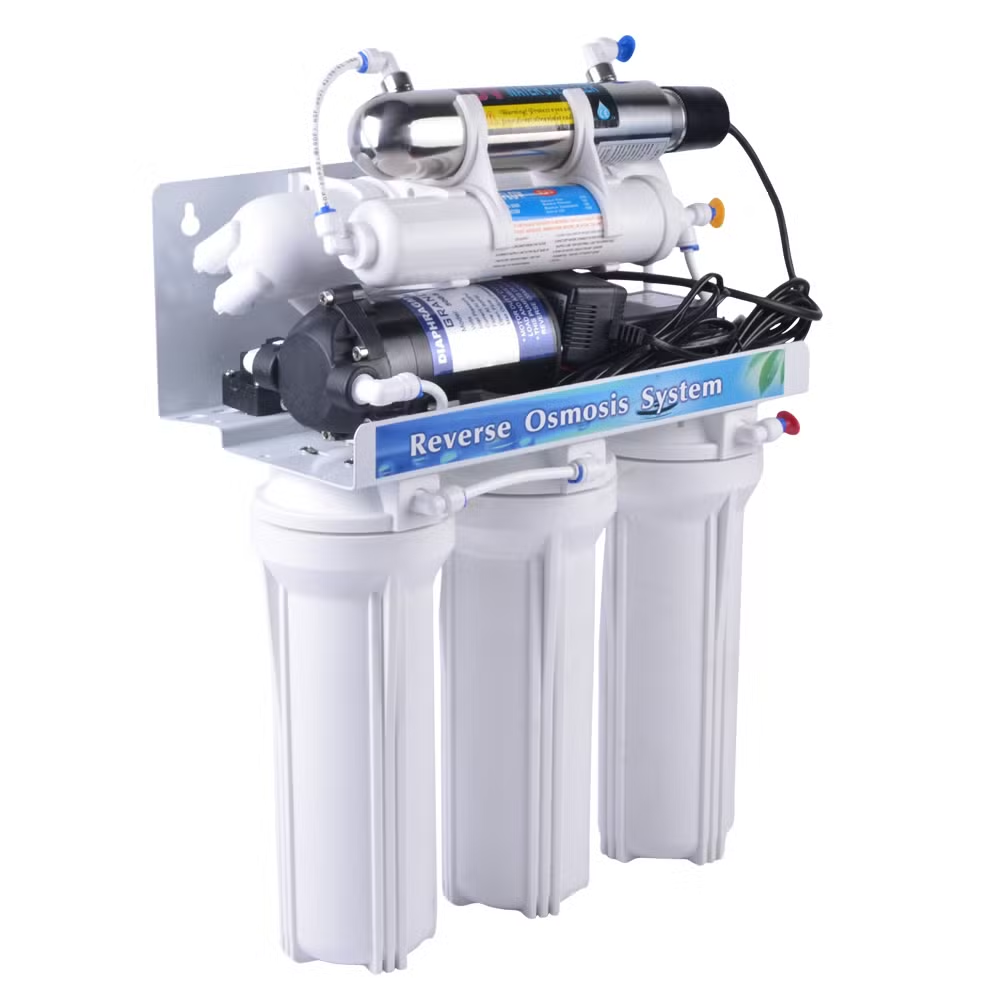
Reverse osmosis is a popular option for households looking to reduce a range of dissolved substances in drinking water. The technology uses pressure to push water through a semipermeable membrane, which separates much of the water from dissolved contaminants.
Well-designed reverse osmosis systems can reduce certain dissolved salts, lead, arsenic, and other substances, depending on the model, membrane, and certification. Many residential units combine the membrane with sediment and carbon filters to provide several stages of treatment.
However, reverse osmosis isn’t automatically the best choice for every home. If your water is already safe and the main complaint is a mild chlorine taste, a certified carbon filter might be sufficient. RO units also produce wastewater, although the amount varies by design, water pressure, and operating conditions.
Maintenance matters, too. Filters need replacement at the recommended intervals, and the membrane eventually requires servicing. Neglecting these tasks can affect performance and water quality.
Some systems include remineralization stages intended to improve taste after treatment. These may appeal to people who dislike the flavor of highly purified water, but the feature isn’t essential for every household.
The sensible approach is to identify the contaminants that need reducing and choose a system proven to address them.
Why Water Testing Should Come Before Buying Equipment
It’s tempting to purchase a purifier simply because a product has good reviews or someone you know recommends it. But water conditions can differ considerably, even between nearby homes. A system that works beautifully for one family may not solve another family’s problem.
Start by identifying your water source and any known local concerns. Municipal water users can review the supplier’s water quality report where available. Private well owners should arrange appropriate laboratory testing, including microbial testing and chemical analysis based on local risks.
Some companies advertise free water testing to help homeowners understand their water quality. This can be a convenient first step, particularly when you’re unfamiliar with hardness, pH, or dissolved solids. However, check what the offer actually includes.
A free demonstration may involve a limited screening test rather than a comprehensive laboratory analysis. It might reveal certain characteristics without identifying harmful microorganisms or specific chemical contaminants. Ask which parameters are measured, how the results are obtained, and whether the company is also trying to sell you equipment.
For health-related concerns, an accredited laboratory and appropriate testing methods provide greater confidence. A handheld meter that measures total dissolved solids, for instance, cannot tell you whether water contains lead, bacteria, or every other potentially harmful substance.
Good testing should guide the purchase, not simply encourage one.
Installation and Maintenance Are Part of the Deal
Once you’ve selected a suitable filter or purifier, remember that owning the equipment comes with a few ongoing responsibilities. Even a well-designed unit needs proper installation and routine care.
Check whether the system requires a dedicated faucet, an electrical connection, sufficient water pressure, or a drain. Under-sink RO units, in particular, need enough cabinet space for the equipment and storage tank if the design includes one.
Replacement costs deserve attention before you make the purchase. A purifier advertised at an attractive price may become expensive if its proprietary filters are difficult to find or require frequent replacement.
Keep track of servicing dates and follow the manufacturer’s instructions. Clean reusable components as directed, replace consumables on schedule, and investigate unexpected changes in taste, odor, or flow.
If your home uses a storage tank, clean it regularly and make sure it remains properly covered. A sophisticated filtration system cannot compensate for contamination introduced through neglected storage or dirty dispensing equipment.
When water quality is important to health, periodic retesting can also help confirm that treatment continues to work as intended.
Making a Practical Choice for Your Family
Choosing a drinking water solution doesn’t need to become a major household project. Begin with the basics: understand your water source, investigate any specific concerns, and test where appropriate. Then compare treatment technologies based on what they can actually remove.
A carbon filter may be enough to improve taste and odor. Reverse osmosis could be appropriate when testing identifies dissolved contaminants that the chosen system is certified to reduce. Other situations may call for ultraviolet disinfection or a different specialized treatment, particularly when microbial contamination is a concern.
Don’t overlook convenience, either. A system that’s difficult to maintain is unlikely to receive the attention it needs over time.
Clean drinking water isn’t about buying the most expensive appliance or installing every available filtration stage. It’s about making an informed decision that fits your household and the quality of water entering your home.
Take the time to understand the problem before spending money on the solution. With reliable testing, sensible product selection, and regular maintenance, you can enjoy greater confidence in the water you use every day.