Signs Your Roof Needs Repair or Replacement (Don’t Ignore These)
Roofs fail quietly, most of the time. There’s rarely one dramatic moment — it’s small signs that build up over months, sometimes years, before anyone notices. Catching signs of roof damage early is the difference between a manageable repair and a full, expensive replacement.
Why Early Detection Saves You Real Money
Quick answer: Catching roof damage early, like small cracks or minor leaks, typically costs a fraction of what a full roof replacement runs — early repairs might cost ₹5,000-₹20,000, while neglected damage leading to structural issues can cost ₹1.5 lakh or more.
Interior Signs You Shouldn’t Ignore
- Water stains or discoloration on ceilings, especially after rain
- Peeling paint or bubbling on ceiling surfaces
- Musty odor in upper rooms, indicating trapped moisture
- Visible mold growth near ceiling corners
- Sagging ceiling areas — this is more serious and needs immediate attention
I’ve seen a small yellow-brown stain in the corner of a ceiling get dismissed for months as “just old paint,” only for it to turn out to be a slow leak that had already damaged the wooden beam underneath. Don’t make that mistake.
Exterior Signs of Roof Damage
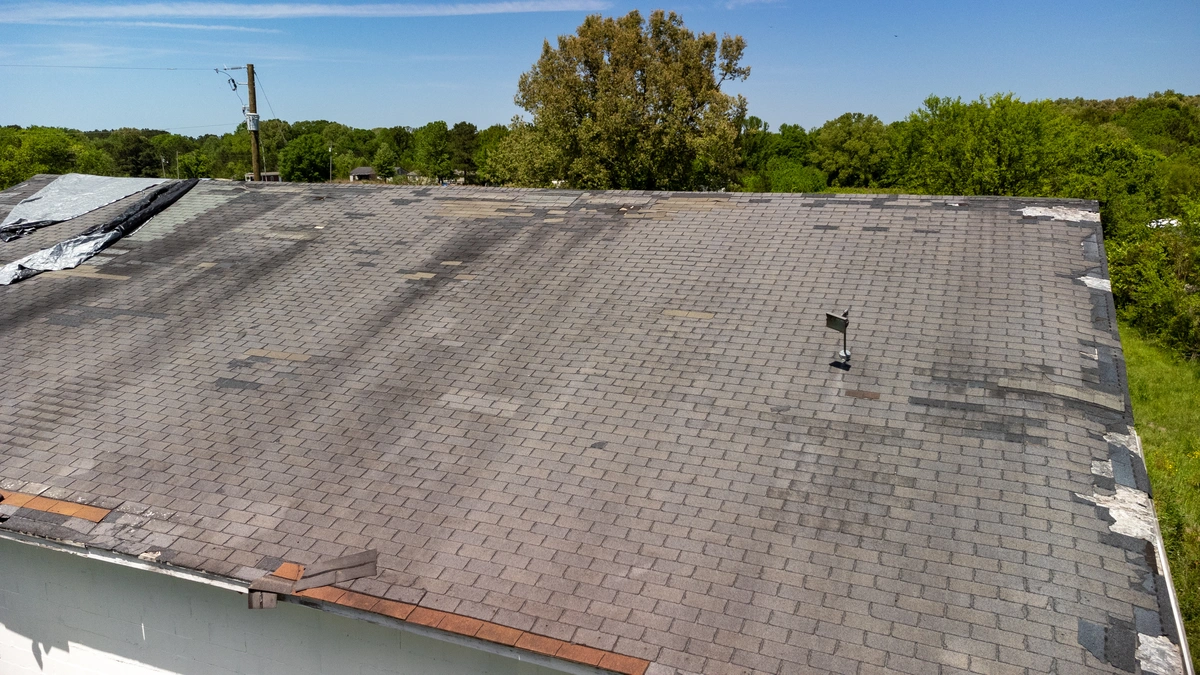
- Cracked or visibly damaged roof tiles/sheets
- Standing water on flat terraces after rain (poor drainage slope)
- Visible cracks in the terrace waterproofing coating
- Rusted or corroded metal flashing around chimneys or vents
- Moss or algae growth, which indicates prolonged moisture retention
Terrace-Specific Warning Signs (Common in Indian Homes)
Quick answer: For flat terrace roofs common in Indian homes, the clearest warning sign is water pooling for more than a few hours after rain instead of draining away — this indicates either a slope issue or waterproofing breakdown that needs prompt attention.
- Water pooling that doesn’t drain within a few hours
- Cracks in the waterproofing membrane, especially near edges and joints
- Efflorescence (white powdery deposits) on terrace walls, indicating water seepage through concrete
- Visible cracks in the parapet wall
How Often Should You Inspect Your Roof
- After every monsoon season — check for any new damage
- Before monsoon starts — proactive check for existing weak points
- Annually at minimum, even without visible issues
- Immediately after any major storm or hailstorm event
Repair vs Replacement: How to Decide
This is where a lot of people get stuck. Here’s a general framework:
- Repair makes sense when: damage is localized (one section, one leak point), the roof structure is otherwise sound, and it’s been less than 15-20 years since installation or last major work
- Replacement makes sense when: damage is widespread across multiple areas, there’s structural sagging, the waterproofing has failed in multiple spots, or the roof is nearing/past its expected lifespan
Roof Lifespan by Material Type
| Material | Expected Lifespan |
| RCC flat roof (with waterproofing) | 15-20 years before major re-waterproofing needed |
| Clay tiles | 30-50 years |
| Metal/GI sheets | 20-30 years |
| Asbestos sheets | 15-20 years |
What Happens If You Ignore Roof Damage
Ignoring early signs doesn’t make the problem go away — it compounds. Water seepage weakens structural elements over time, encourages mold growth that affects indoor air quality, and can eventually lead to more serious structural repairs that cost significantly more than the original fix would have.
[link to related guide on roofing material types here]
Frequently Asked Questions
How can I tell if a ceiling stain is from an old leak or an active one? Press gently on the stained area — if it feels damp or soft, it’s likely an active leak. Dry, hard stains may be from a previously fixed issue, but get it checked to confirm.
Is it normal for a flat terrace to have some water after rain? Brief pooling that drains within an hour or two is normal. Water sitting for several hours or overnight indicates a drainage or waterproofing problem.
How much does roof waterproofing typically cost? Depending on terrace size and method used, expect ₹40-₹80 per sq ft for quality waterproofing treatment in India.
Can I inspect my own roof, or do I need a professional? Basic visual inspection from inside (ceiling stains) and safely accessible terrace areas is fine yourself. Structural assessment should involve a professional.
How urgent is a small roof leak — can it wait until after monsoon? It’s better addressed as soon as possible, even if temporarily, since ongoing water exposure during monsoon typically worsens the damage significantly.
Conclusion
Your roof rarely fails without warning — the signs are usually there for months before it becomes a serious problem. A water stain, a slow-draining terrace, a small crack near the parapet wall — these are your roof asking for attention before it demands it. A quick seasonal inspection costs you nothing but time, and it’s the cheapest insurance against a very expensive surprise later.