Understanding Your Home’s Water and Choosing the Right Treatment
Water is one of those everyday essentials we rarely think about until something seems off. Maybe the glasses coming out of the dishwasher have cloudy spots, the shower leaves your skin feeling uncomfortable, or the water from your kitchen tap has a taste you just can’t get used to. These small frustrations can make you wonder whether your home’s water needs attention.
The answer isn’t always to buy a filter or install expensive equipment. Different water problems have different causes, and the best solution depends on what’s actually present in your supply. With a little information and the right approach, you can improve your home’s water without wasting money on a system that doesn’t meet your needs.
Why Water Quality Matters at Home
Water quality affects more than the taste of your drinking water. It can influence how well soap works, how much scale builds up around faucets, and how often certain plumbing fixtures need cleaning. In some cases, water conditions may also affect appliances that heat or use water regularly.
The source of your water plays an important role. Municipal water is treated to meet public health requirements, but disinfectants and naturally occurring minerals may still influence its taste, smell, or behavior. Private well water can vary considerably depending on local geology, rainfall, groundwater conditions, and nearby land use.
For example, a household with hard water may notice white deposits on showerheads and kettle elements. Another home might experience reddish staining from iron, while a family using municipal water may simply dislike the taste of chlorine. These are different issues, and they shouldn’t automatically be treated with the same equipment.
Understanding the cause is the first step toward choosing a practical solution.
Start with Testing Before Buying Equipment
It’s easy to assume that cloudy water or an unpleasant smell means you need a particular filter. Unfortunately, appearances can be misleading. Water that looks milky may contain tiny air bubbles that disappear after standing, while clear water can still contain dissolved minerals or contaminants that aren’t visible.
A water test helps establish what you’re dealing with. Depending on your water source and concerns, testing may examine hardness, pH, iron, manganese, turbidity, and specific contaminants. Private well owners should also follow local recommendations for testing microorganisms and other health-related substances.
A professional water assessment can help connect the results to suitable treatment options. Ask what the test includes, whether laboratory analysis is necessary, and which issues the recommended equipment is designed to address.
Good testing also helps prevent unnecessary purchases. If your primary concern is hardness, for instance, a filter intended only for sediment may not make much difference. When the cause is known, choosing the right equipment becomes a more straightforward decision.
Finding a Water Treatment System That Fits
There is no single system that removes every unwanted substance from every water supply. Different technologies are designed for different jobs, so the best setup depends on your test results and household requirements.
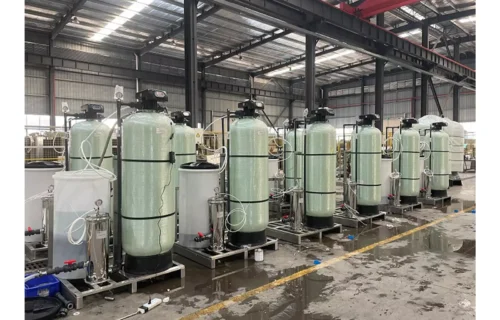
Water treatment may involve filtration, softening, reverse osmosis, disinfection, or a combination of methods. Sediment filters can capture suspended particles, while activated carbon is commonly used to reduce chlorine taste and odor. Specialized media may be suitable for certain iron or manganese problems, and other technologies address specific contaminants.
Some households need only a small filter at the kitchen sink. Others may benefit from a whole-house system because their water concerns affect showers, laundry, and several fixtures throughout the property.
It’s worth considering how much water your family uses, too. A system should provide an adequate flow rate during busy periods without causing frustrating drops in pressure. Installation space, drainage requirements, and ongoing maintenance are also part of the decision.
Before purchasing equipment, ask the supplier to explain what the system removes, what it leaves behind, and how its performance is verified. Those details matter far more than a long list of impressive-sounding features.
When Water Softeners Make a Difference
Hard water is a common concern in many households. It contains elevated levels of dissolved minerals, particularly calcium and magnesium. These minerals can leave chalky deposits on faucets, shower screens, and appliances. They may also reduce soap lather and make cleaning feel more difficult than it should be.
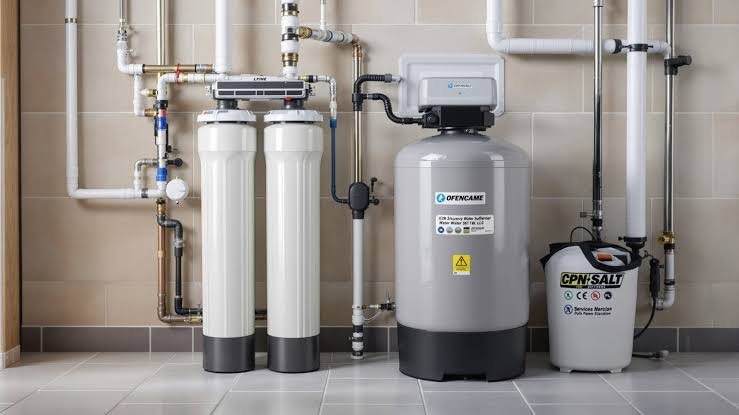
Water softeners are designed to reduce hardness, commonly through an ion-exchange process that replaces calcium and magnesium ions with sodium or potassium ions. When correctly sized and maintained, a softener can help limit scale formation and make everyday cleaning more manageable.
However, softening is not the same as general filtration. A standard softener isn’t designed to remove every contaminant, and it won’t necessarily improve chlorine taste or eliminate suspended sediment. If your water has several problems, a combination of treatment methods may be more appropriate.
There are a few practical details to consider before installation. Traditional ion-exchange softeners usually require salt replenishment, and their regeneration cycles need to be configured for the household’s water hardness and usage. Some systems also have specific drainage requirements.
If you’re concerned about sodium intake, ask a qualified professional about the implications of ion-exchange softening and whether a separate drinking-water treatment option makes sense for your household.
Is Reverse Osmosis Right for Drinking Water?
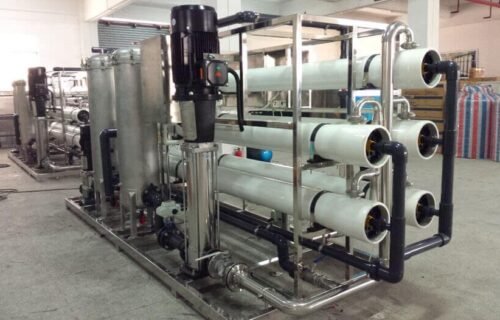
For people who want to improve the quality of water used for drinking and cooking, reverse osmosis is another option worth understanding. These systems use a semipermeable membrane to reduce many dissolved substances, although performance varies according to the equipment, membrane condition, and incoming water chemistry.
A properly selected ro drinking water system is often installed beneath the kitchen sink, where it supplies treated water through a dedicated faucet. Some systems also include carbon filters before or after the membrane to support performance and improve taste.
Reverse osmosis can reduce certain dissolved salts and other specified contaminants, but it shouldn’t be assumed to remove everything. Check the product’s independent certification or test data for the exact substances you’re concerned about. If the source water contains microorganisms or other hazards, the full treatment plan needs to address those risks appropriately.
Another consideration is water use. Many conventional reverse osmosis systems send some water to a drain during operation. Efficiency varies, so it’s sensible to ask about the system’s wastewater ratio, storage capacity, and filter replacement costs before buying.
For a household with a specific drinking-water concern, reverse osmosis may be useful. For someone dealing only with hard water throughout the home, it may not be the most relevant first step.
Don’t Forget Maintenance and Long-Term Costs
Even high-quality equipment needs regular attention. Filter cartridges have limited capacity, softeners need the correct operating conditions, and reverse osmosis membranes eventually require servicing or replacement. Ignoring maintenance can reduce performance and make it harder to know whether the system is still working as intended.
Keep a record of installation dates, filter changes, and service visits. Watch for changes in taste, water pressure, or appearance, and arrange an inspection if something seems unusual. If water conditions change significantly, repeat testing may be worthwhile.
When comparing systems, look beyond the initial price. Include installation, replacement parts, consumables, servicing, and any additional plumbing work in your budget. A less expensive system may cost more to operate over several years, while a more complicated setup may offer benefits you don’t actually need.
Make an Informed Choice for Better Water
Improving your home’s water starts with understanding your priorities. You might want to reduce scale, improve drinking-water taste, address visible sediment, or investigate a specific contaminant. Each goal calls for a different approach, and testing helps you make that distinction.
Take time to compare suitable systems, ask clear questions, and understand the maintenance involved. A carefully selected treatment setup can make everyday tasks easier and help you manage water quality with greater confidence.
The best choice isn’t necessarily the biggest or most expensive system. It’s the one that addresses your actual water concerns, fits your household, and continues to perform well with proper care. Start with the facts, and let those guide the investment.